
Easy Weeknight Lasagna Recipe: Your Go-To Comfort Food
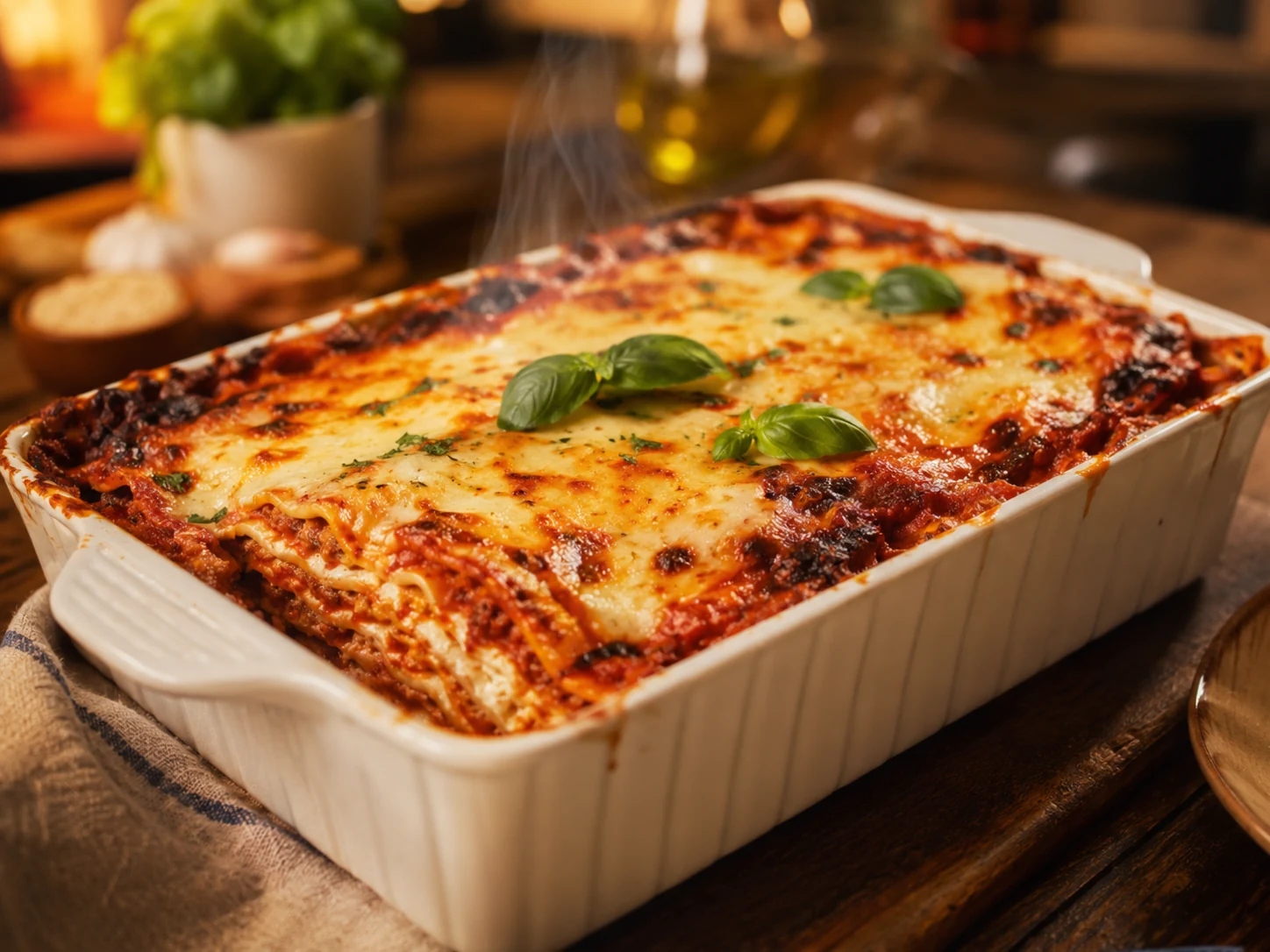
Lasagna. The very word evokes images of bubbling cheese, rich tomato sauce, and layers of tender pasta, one of the most comforting dishes you can make at home. Originating in Italy, this layered pasta dish has transcended culinary borders, becoming a beloved staple in homes worldwide. Traditionally, preparing an authentic lasagna can feel like a weekend project, involving slow-cooked ragu, boiling multiple batches of pasta sheets, and meticulous layering. The sheer time commitment often relegates it to special occasions or lazy Sundays, leaving many longing for its hearty embrace on a busy Tuesday evening. But what if you could capture that same soul-satisfying taste and deeply comforting goodness without the culinary marathon? Enter the Easy Weeknight Lasagna – a streamlined, simplified approach to this Italian classic that delivers all the complex flavors and satisfying textures in a fraction of the time, making it your ultimate go-to for comfort without the fuss.
This guide walks you through every step — the sauce, the layering, the baking — so you can get a bubbling, cheesy lasagna on the table any night of the week. No culinary degree required, just good ingredients and 40 minutes of your evening.
The first time I made this on a Wednesday after work, I was skeptical. Lasagna on a weeknight? But 45 minutes later, when I pulled that golden, bubbling dish from the oven, my kitchen smelled like an Italian grandmother’s house — and nobody at the table asked if it was “shortcut” lasagna.
The Allure of Weeknight Lasagna: Why Convenience Doesn’t Mean Compromise
The appeal of lasagna is undeniable. It’s robust, it’s cheesy, and it offers a complete meal in one dish. For families, it’s a universal favorite, a guaranteed hit that rarely meets resistance. For individuals, it promises delicious leftovers that improve with age, providing effortless meals for days. However, the traditional methods can be daunting. The promise of an “easy weeknight lasagna” isn’t about cutting corners on flavor or quality; it’s about intelligent simplification. It’s about leveraging smart culinary hacks and readily available ingredients to achieve that classic taste without the exhaustive prep.
Imagine coming home after a long day, knowing that a bubbling, golden-crusted lasagna awaits, ready to be pulled from the oven in under an hour of active preparation time. This isn’t a culinary fantasy; it’s the achievable reality we’re aiming for. The magic lies in understanding the core components of lasagna and identifying where time can be saved without sacrificing the essential elements that make it so beloved. This strategy allows you to enjoy homemade comfort food more frequently, reducing reliance on takeout and fostering a greater sense of satisfaction in your kitchen. It’s about making gourmet accessible and weeknight meals exciting.
Deconstructing Lasagna: Weeknight Hacks for Each Component
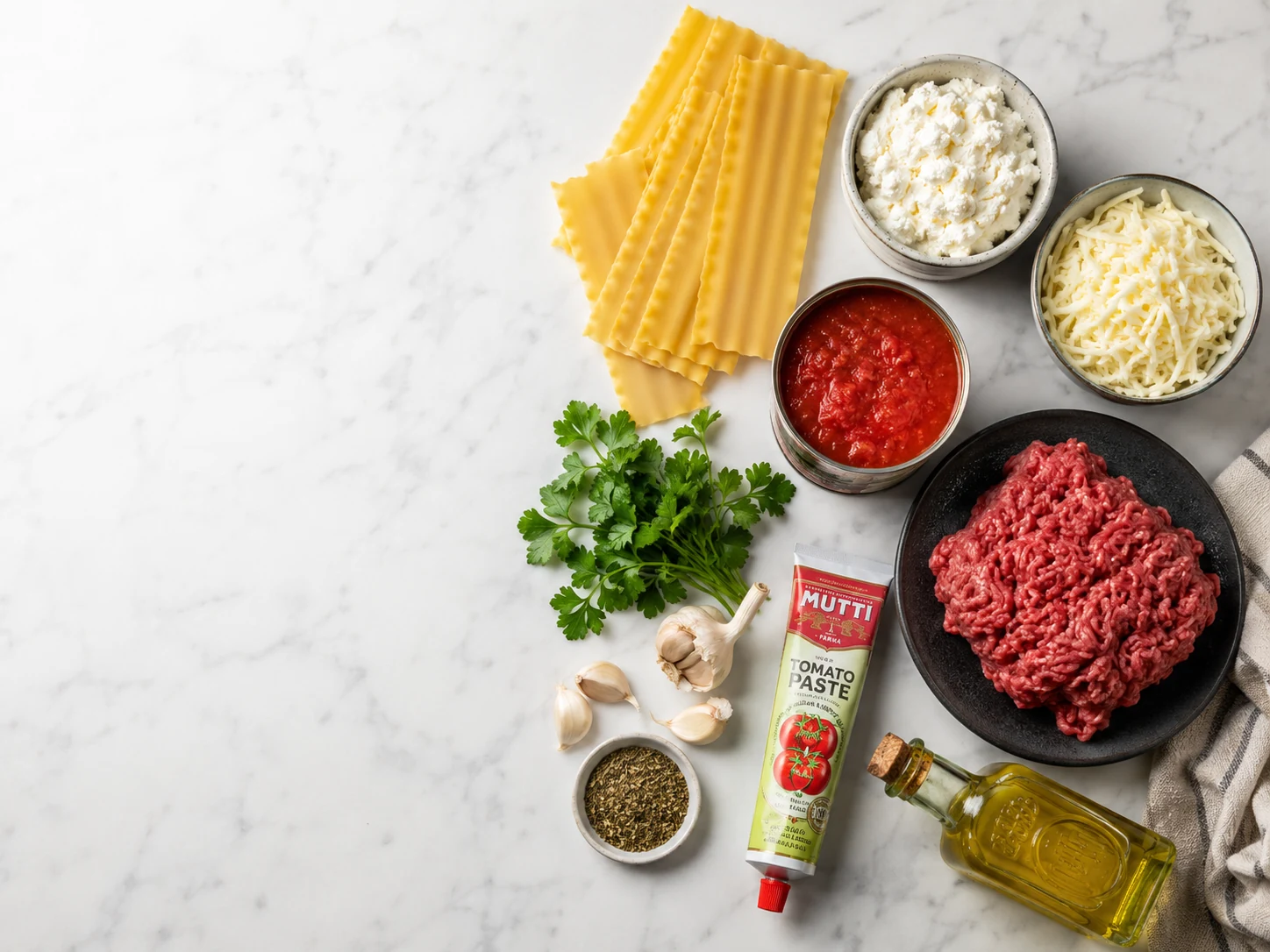
Every great lasagna is built upon three fundamental pillars: the sauce, the cheese filling, and the pasta. By optimizing each of these elements for speed and convenience, we can drastically reduce the overall preparation time, making it genuinely suitable for a weeknight.
1. The Sauce: From Slow Simmer to Speedy Savor
Traditionally, a rich ragu for lasagna can simmer for hours, developing deep, complex flavors. For a weeknight rendition, we opt for a quicker, yet still incredibly flavorful, meat sauce (or marinara for a vegetarian option).
- Traditional vs. Weeknight: A classic ragu involves browning various meats, deglazing with broth, and then slow-simmering with tomatoes and aromatics for 2-4 hours. Our weeknight approach condenses this by focusing on intense initial browning and quick flavor infusion.
- Ground Meat Choice: Ground beef (80/20 lean-to-fat ratio is ideal for flavor and moisture) is standard. Ground Italian sausage (sweet or hot), ground turkey, or a combination of meats can also be used. For speed, ensure your meat is thawed.
- Aromatics in a Flash: Onion and garlic are non-negotiable flavor foundations. Instead of a lengthy sauté, we’ll aim for a quick softening and fragrance release. Pre-chopped onions (from the produce section or frozen) can be a significant time-saver. Minced garlic from a jar can also be used, though fresh garlic offers superior flavor.
- The Tomato Base: Canned crushed tomatoes are your best friend here. After testing with fresh tomatoes and several canned varieties, San Marzano-style crushed tomatoes consistently produced the richest, least-acidic sauce — worth the extra cent per can. They offer a smooth consistency and rich tomato flavor without the need for blending or straining. Look for high-quality brands. Diced tomatoes can also work, but crushed generally provides a better texture for sauce. Tomato paste is crucial for deepening flavor quickly – a small tube is a pantry essential.
- Quick Flavor Boosters:
- Herbs: Dried Italian seasoning, oregano, basil, and a pinch of red pepper flakes are perfect for infusing flavor quickly. Fresh herbs are wonderful if you have them, but dried herbs are effective and always on hand for weeknights.
- Seasoning: Don’t forget salt and black pepper. A tiny pinch of sugar can balance the acidity of the tomatoes, especially if your tomatoes are very tart.
- Balsamic Glaze/broth (Optional but Recommended): A splash of beef broth or a drizzle of balsamic glaze can add incredible depth without a long simmer. Deglaze the pan after browning meat with broth, or stir in balsamic at the end. The liquid in broth will cook off quickly, leaving behind rich flavor.
- Pre-made Sauce Shortcut (The Ultimate Weeknight Hack): If time is truly critical, you can start with a good quality jarred marinara sauce and simply brown your ground meat separately, then stir it into the jarred sauce. While this saves the most time, making a quick sauce from scratch (as described above) usually takes only 15-20 minutes and offers superior flavor control.
2. The Cheese Layers: Speedy and Silky
The creamy, gooey cheese layers are arguably the most beloved part of lasagna. Our weeknight version focuses on ease of preparation and perfect melting.
- Ricotta Cheese Mixture: Traditional ricotta cheese is the base for the creamy layer. To simplify, we’ll create a quick mix directly in a bowl.
- Ricotta vs. Cottage Cheese: While ricotta is classic, cottage cheese can be used as a substitute for a tangier, slightly lighter texture. If using cottage cheese, opt for small curd.
- Egg Binder: An egg is essential to bind the ricotta mixture, preventing it from oozing out during baking and giving it a firmer, more custardy texture.
- Parmesan Cheese: Grated Parmesan or Pecorino Romano adds a salty, nutty depth of flavor. Pre-grated Parmesan is fine for weeknights.
- Seasoning: Salt, black pepper, and a pinch of nutmeg (a secret ingredient for many Italian cheese dishes) make the ricotta layer taste far better. Fresh parsley or dried parsley flakes also add freshness and color.
- Mozzarella Cheese: This is where the magic happens – the melty, stretchy goodness.
- Low-Moisture, Part-Skim Mozzarella: This is the ideal choice for lasagna. It melts beautifully without releasing too much water, which can make your lasagna soupy. Pre-shredded mozzarella is a huge time-saver for weeknights. While block mozzarella you shred yourself often melts slightly better, the convenience of pre-shredded is worth it for speed.
- Fresh Mozzarella (Use with Caution): While delicious, fresh mozzarella has a very high water content. If you use it, ensure it’s well-drained and perhaps even patted dry before layering, or your lasagna might be watery. It’s generally not recommended for a “weeknight easy” version.
- Layering Cheese: The cheese mixture is spread between pasta layers, and mozzarella is sprinkled generously over each. This multi-layered approach ensures every bite is cheesy.
3. The Pasta: The No-Boil Revolution
This is the single biggest time-saver for weeknight lasagna. No-boil lasagna noodles (also sometimes called oven-ready or oven-bake noodles) eliminate the tedious step of boiling pasta, making preparation significantly faster and cleaner.
- How They Work: The first time I skipped boiling noodles I expected a compromise — I got none. These noodles are pre-cooked or partially cooked and then dried in a way that allows them to absorb moisture directly from the sauce during baking. They swell and become tender in the oven, just like traditional boiled noodles.
- Pros of No-Boil Noodles:
- Time-Saving: No large pot of boiling water, no draining, no sticky noodles. This cuts down prep time by at least 15-20 minutes.
- Less Mess: No starchy pasta water or slippery noodles.
- Convenience: Simply unbox and layer.
- Cons/Considerations:
- Brand Variation: Not all brands are created equal. Some can be a bit chewier or might require slightly more sauce/moisture to become fully tender. Read package directions.
- Liquid Absorption: Because they absorb liquid from the sauce, you need to ensure your sauce is adequately moist. If your sauce is too thick, the noodles might not cook through properly. This recipe accounts for that.
- Overlap: Avoid overlapping noodles too much, as this can create hard spots where the noodles don’t soften. A slight overlap is fine, but double-layering can cause issues.
- Traditional Noodles (If You Insist): If you prefer traditional lasagna noodles, boil them al dente according to package directions, typically 8-10 minutes. Rinse them immediately with cold water to prevent sticking and cool them down. This step adds considerable time and clean-up, so it’s generally avoided for a true “weeknight” version.
The Core Recipe: Easy Weeknight Lasagna
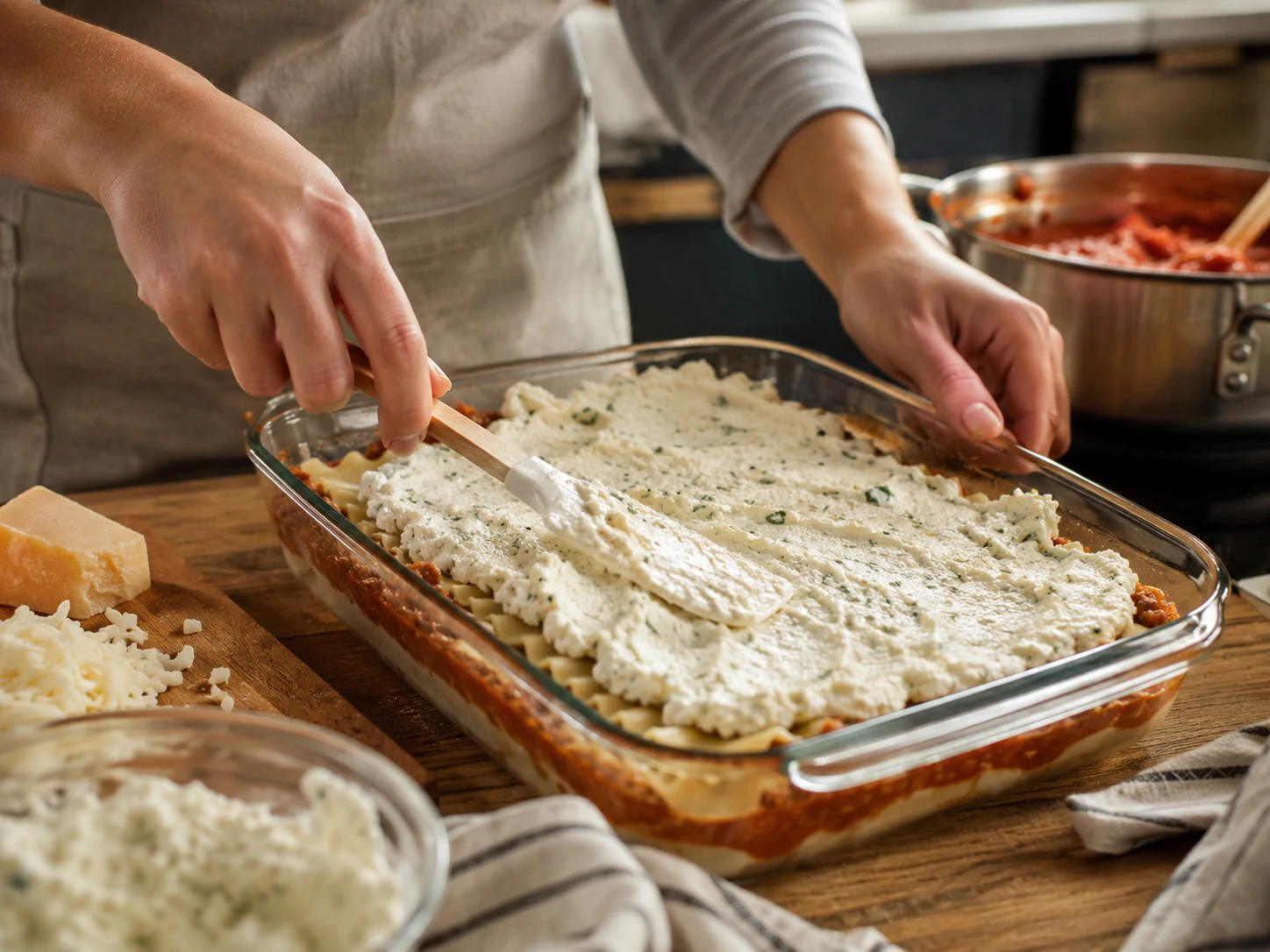
This recipe is optimized for speed without sacrificing the rich, comforting flavors you expect from a classic lasagna. It leverages no-boil noodles and a quick-cook meat sauce.
Yields: 8 servings Prep time: 30-40 minutes Bake time: 35-45 minutes Resting time: 10-15 minutes
Ingredients:
For the Quick Meat Sauce:
- 1 tbsp olive oil
- 500g (1 lb) ground beef (80/20 recommended), or a mix of beef and Italian sausage
- 1 large onion, chopped (about 1.5 cups)
- 3-4 cloves garlic, minced
- 1 (170g / 6 oz) can tomato paste
- 1 (794g / 28 oz) can crushed tomatoes (good quality)
- 1 (425g / 15 oz) can tomato sauce (plain, unsalted)
- 1/2 cup (120ml) beef broth or water
- 2 tbsp dried Italian seasoning
- 1 tsp dried oregano
- 1/2 tsp red pepper flakes (optional, for a subtle kick)
- 1 tsp granulated sugar (optional, to balance acidity)
- Salt and freshly ground black pepper to taste
For the Cheese Filling:
- 425g (15 oz) container ricotta cheese (whole milk preferred)
- 1 large egg
- 1/2 cup (50g) grated Parmesan cheese, plus more for topping
- 1/4 cup (10g) fresh parsley, chopped (or 1 tbsp dried parsley flakes)
- 1/4 tsp ground nutmeg (optional, but recommended for authentic flavor)
- Salt and freshly ground black pepper to taste
For Layering:
- 9-12 no-boil lasagna noodles (usually 1 box)
- 450g (16 oz) low-moisture, part-skim mozzarella cheese, shredded
Equipment:
- Large skillet or Dutch oven
- Large mixing bowl
- 9×13 inch (23×33 cm) baking dish
Instructions:
- Start the Meat Sauce (15-20 minutes active time):
- Heat olive oil in a large skillet or Dutch oven over medium-high heat. Add ground beef and cook, breaking it up with a spoon, until browned and no pink remains, about 5-7 minutes. Drain off any excess fat.
- Reduce heat to medium. Add chopped onion to the skillet and cook until softened, about 5 minutes. Add minced garlic and cook for another 1 minute until fragrant.
- Stir in the tomato paste and cook for 2-3 minutes, stirring constantly, allowing it to slightly darken and develop its flavor. This step is crucial for depth.
- Pour in the crushed tomatoes, tomato sauce, and beef broth (or water). Stir in the Italian seasoning, oregano, red pepper flakes (if using), and sugar (if using). Season generously with salt and black pepper.
- Bring the sauce to a simmer, then reduce heat to low, cover, and let it gently simmer while you prepare the cheese filling, about 10-15 minutes. Stir occasionally. This short simmer allows the flavors to meld.
- Prepare the Cheese Filling (5 minutes active time):
- While the sauce simmers, in a large mixing bowl, combine the ricotta cheese, egg, 1/2 cup Parmesan cheese, chopped fresh parsley (or dried flakes), and nutmeg (if using).
- Season with a pinch of salt and pepper. Mix well until all ingredients are evenly combined.
- Preheat Oven and Prepare Baking Dish:
- Preheat your oven to 190°C (375°F).
- Lightly grease a 9×13 inch (23×33 cm) baking dish with cooking spray or a little olive oil.
- Assemble the Lasagna (10-15 minutes active time):
- Layer 1 (Sauce): Spread about 1 to 1.5 cups of meat sauce evenly over the bottom of the prepared baking dish. This sauce layer is vital for hydrating the no-boil noodles directly above it.
- Layer 2 (Noodles): Arrange a single layer of no-boil lasagna noodles over the sauce. Depending on your dish size, you’ll likely use 3 or 4 noodles per layer, breaking them as needed to fit the edges without excessive overlapping.
- Layer 3 (Cheese Filling): Carefully spread about half of the ricotta cheese mixture evenly over the noodles.
- Layer 4 (Mozzarella): Sprinkle about 1/3 of the shredded mozzarella cheese over the ricotta layer.
- Repeat Layers: Repeat the sequence:
- Another layer of meat sauce (about 1 to 1.5 cups).
- Another layer of no-boil noodles.
- The remaining half of the ricotta cheese mixture.
- Another 1/3 of the shredded mozzarella cheese.
- Final Layer: Finish with a third layer of no-boil noodles, generously cover with the remaining meat sauce, and then sprinkle with the final 1/3 of mozzarella cheese and an extra sprinkle of Parmesan cheese.
- Bake the Lasagna (35-45 minutes):
- Cover the baking dish tightly with aluminum foil. This traps steam and ensures the no-boil noodles cook through properly.
- Bake for 25 minutes.
- Remove the foil and continue baking for another 10-20 minutes, or until the cheese is melted, bubbly, and golden brown on top. If the cheese isn’t browning enough, you can briefly put it under the broiler for 1-2 minutes, watching carefully to prevent burning.
- Rest and Serve (10-15 minutes):
- This step is crucial! Once out of the oven, let the lasagna rest for at least 10-15 minutes before slicing and serving. This allows the layers to set and the sauce to redistribute, preventing a messy, soupy lasagna when you cut into it.
- Slice into generous portions and serve hot.
Variations and Customizations: Making Lasagna Truly Your Own
The beauty of lasagna, even a weeknight version, lies in its adaptability. This basic framework can be endlessly customized to suit dietary preferences, available ingredients, or simply your craving of the day. Exploring these variations allows you to enjoy lasagna frequently without monotony, transforming it into a versatile meal powerhouse.
1. Vegetarian Lasagna: Earthy Delights
Omitting meat doesn’t mean sacrificing flavor or heartiness. Vegetarian options can be incredibly satisfying and packed with nutrition.
- Mushroom & Spinach: Sauté 500g (1 lb) sliced mushrooms (cremini or button) until browned and their liquid has evaporated. Add 200g (7 oz) fresh spinach (or 100g/3.5 oz frozen, thawed and squeezed dry) and cook until wilted. Incorporate this into the meat sauce base (which would then be a marinara) or layer it directly.
- Roasted Vegetable Lasagna: Toss chopped vegetables like zucchini, bell peppers (red, yellow, orange), eggplant, and cherry tomatoes with olive oil, salt, and pepper. Roast at 200°C (400°F) for 20-25 minutes until tender and slightly caramelized. Layer these roasted vegetables instead of or in addition to meat sauce layers. This adds incredible depth and sweetness.
- Butternut Squash Lasagna: Roast cubed butternut squash until tender, then mash it lightly or layer slices. This adds a unique sweetness and creamy texture, pairing well with sage and a touch of Parmesan.
- Lentil or Tofu Bolognese: For a meat-like texture, prepare a “bolognese” using brown or green lentils (cooked until tender) or crumbled firm tofu. Sauté with onion, garlic, carrots, and celery before adding crushed tomatoes and seasonings. This provides a protein-rich, savory base.
2. Meat Variations: Exploring Different Flavors
Beyond ground beef, other meats can lend distinct characters to your lasagna.
- Italian Sausage: Sweet or hot Italian sausage adds a wonderful fennel and spice kick. Remove casings and brown the sausage just like ground beef.
- Ground Turkey/Chicken: For a lighter option, use ground turkey or chicken. Be mindful that these are leaner and may require a bit more olive oil during browning or a touch more liquid in the sauce to prevent dryness.
- Mixed Meats: A combination of ground beef and Italian sausage is a classic choice, offering the best of both worlds in terms of flavor and texture.
- Leftover Roast Meat: Shredded leftover roasted chicken, beef, or beef can be added to the sauce to stretch ingredients and add gourmet flavor. Simply stir into the simmering sauce to warm through.
3. Cheese Variations: Layers of Indulgence
While ricotta and mozzarella are standard, experimenting with other cheeses can add complexity and new dimensions.
- Provolone: Slices of mild provolone can be layered in with the mozzarella for a sharper, more flavorful melt.
- Fontina: A semi-soft Italian cheese that melts beautifully and has a nutty, earthy flavor, excellent for adding depth.
- Smoked Mozzarella (Scamorza): For a smoky twist, use smoked mozzarella. This pairs particularly well with sausage or mushroom variations.
- Asiago: A firmer, pungent cheese that can be grated into the ricotta mixture or sprinkled on top for a sharper bite than Parmesan.
4. Flavor Boosters: Elevating the Sauce
Even a quick sauce can be incredibly flavorful with these additions.
- Fresh Herbs: If you have fresh basil, oregano, or thyme, stir them into the sauce during the last few minutes of simmering or sprinkle them over the cheese layers. Their aroma is unbeatable.
- Balsamic Vinegar: A splash (1-2 tablespoons) of balsamic vinegar added to the meat sauce after the tomatoes can deepen the flavor and add a subtle sweetness and tang.
- beef broth: Deglaze the pan with 1/2 cup of beef or chicken broth after browning the meat and before adding the tomato paste. Let it simmer for 2-3 minutes until mostly evaporated, then continue with the recipe. This adds significant depth.
- Umami Boosters: A teaspoon of Worcestershire sauce or a crumbled dried porcini mushroom (rehydrated and chopped) can add an extra layer of savory umami to the meat sauce.
5. Gluten-Free and Dairy-Free Options: Inclusive Lasagna
With a few adjustments, lasagna can be adapted for various dietary needs.
- Gluten-Free Lasagna: Use certified gluten-free no-boil lasagna noodles, which are widely available. Ensure all other ingredients (broth, sauces) are also gluten-free.
- Dairy-Free/Vegan Lasagna:
- Ricotta Substitute: Create a “ricotta” by blending firm tofu (pressed to remove excess water) or soaked cashews with nutritional yeast, lemon juice, garlic powder, salt, and water until smooth.
- Mozzarella Substitute: Use your favorite brand of dairy-free shredded mozzarella.
- Parmesan Substitute: Nutritional yeast can mimic a cheesy flavor, or use store-bought vegan Parmesan.
- Sauce: Ensure your meat sauce is made with plant-based ground meat alternatives or is a hearty vegetable-based marinara.
6. Smaller Batches and Freezing: Efficiency and Future Meals
An easy weeknight lasagna is also perfect for meal prep.
- Smaller Portions: Halve the recipe and bake in an 8×8 inch (20×20 cm) pan for 4 servings. Adjust baking time accordingly (likely 25-35 minutes total).
- Individual Servings: Assemble in oven-safe individual ramekins or foil containers for single servings. These are perfect for freezing.
- Freezing Unbaked Lasagna: Assemble the lasagna completely in a freezer-safe dish. Cover tightly with plastic wrap, then aluminum foil. Label with date. Freeze for up to 3 months. To bake from frozen, remove foil and bake at 180°C (350°F) for about 60-75 minutes, covered, then uncover and bake for another 15-20 minutes until bubbly and heated through. Add extra baking time if needed.
- Freezing Baked Lasagna: Let the baked lasagna cool completely. Slice into individual portions or leave whole. Wrap tightly in plastic wrap and then foil. Freeze for up to 3 months. Reheat individual portions in the microwave or oven (covered) until heated through.
Tips for Success: Avoiding Common Lasagna Pitfalls
Even with an “easy” recipe, a few key considerations can make the difference between a good lasagna and a truly great one.
- Don’t Over-Sauce the Bottom Layer: While the first sauce layer is crucial for hydrating no-boil noodles, too much can make the very bottom soupy. Aim for a generous, even coating, not a pool.
- Ensure Sufficient Sauce: No-boil noodles need moisture. If your meat sauce seems very thick, add a little extra broth or water (1/4 to 1/2 cup) to ensure the noodles have enough liquid to absorb and become tender.
- Avoid Overlapping No-Boil Noodles Too Much: A slight overlap is fine, but significant overlapping can create hard spots where the noodles don’t soften. Break noodles to fit your dish rather than stacking them.
- Salt the Sauce: Don’t forget to season your meat sauce adequately. Taste as you go. A well-seasoned sauce is the backbone of the lasagna’s flavor.
- The Importance of Resting: This step is truly non-negotiable. Skipping it will almost always result in a messy, collapsed lasagna. Resting allows the liquids to redistribute and the cheese to set, creating clean slices.
- Covering During Baking: For no-boil noodles, covering the lasagna with foil for the initial baking period (about 25-30 minutes) is critical. This traps steam and ensures the noodles cook thoroughly without drying out. Uncovering allows the cheese to brown beautifully.
- Broiling for a Golden Top: If your cheese isn’t as golden and bubbly as you’d like after removing the foil, a quick 1-2 minutes under the broiler can work wonders. Stay vigilant – cheese can go from perfect to burnt in seconds under a broiler.
- Using a Larger Dish (If Needed): While a 9×13 inch (23×33 cm) dish is standard, if your lasagna is very tall with many layers, ensure your dish has enough depth to prevent bubbling over. Place a baking sheet underneath the dish in the oven to catch any drips.
Serving Suggestions: Completing Your Weeknight Feast
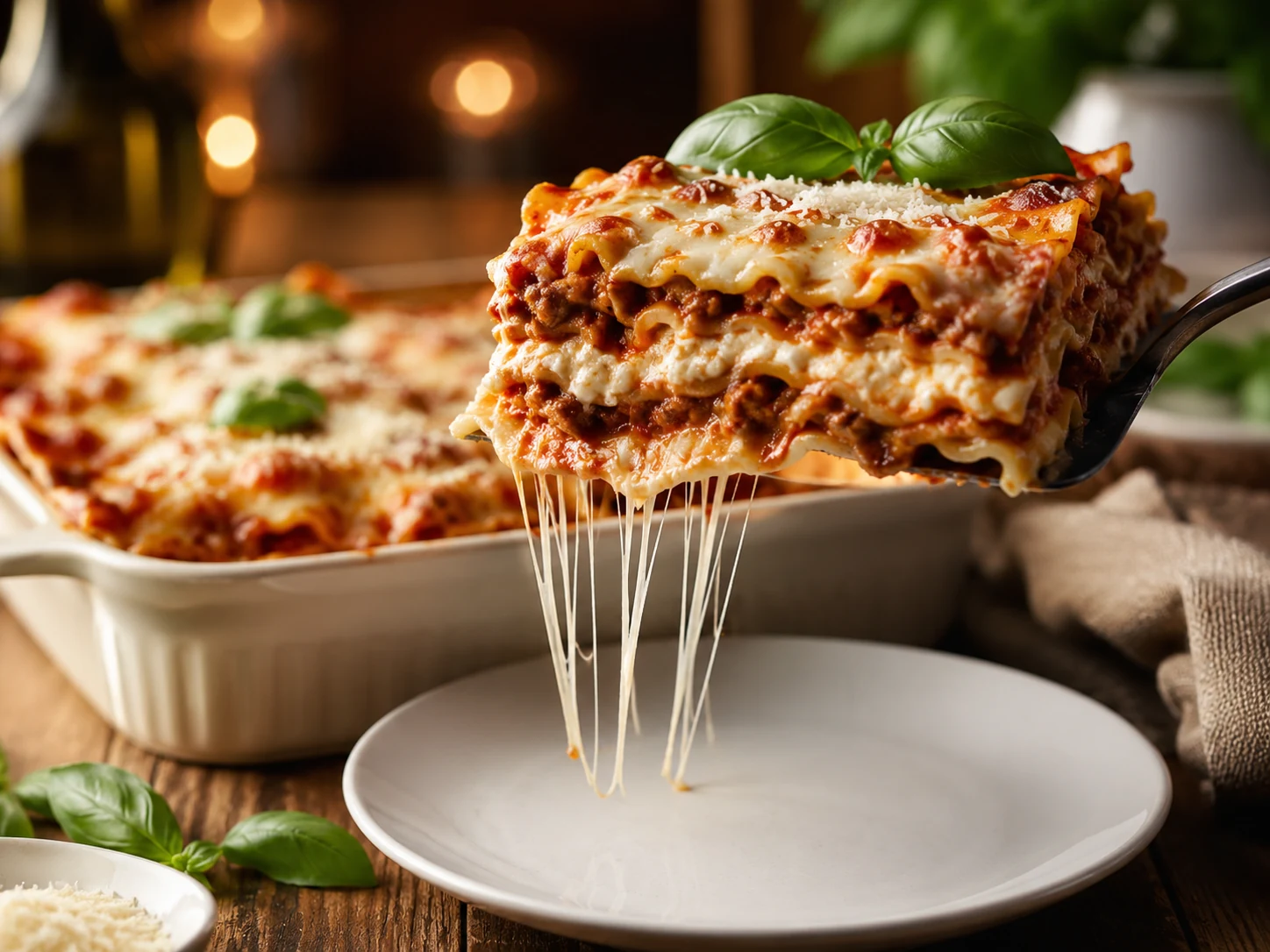
A bubbling lasagna emerging from the oven is a meal in itself, but complementing it with a few simple sides can round out the meal and provide a balanced meal.
- Garlic Bread: A classic pairing. Crispy, buttery garlic bread is perfect for soaking up any extra sauce. You can make it from scratch with a baguette, butter, and garlic powder, or opt for store-bought frozen garlic bread for ultimate convenience.
- Simple Green Salad: A fresh, crisp green salad with a light vinaigrette (like a lemon-herb or balsamic vinaigrette) offers a refreshing contrast to the richness of the lasagna. Think mixed greens, cherry tomatoes, and cucumber.
- Roasted Vegetables: Quick-roasted asparagus, broccoli, or green beans tossed with olive oil, salt, and pepper make a healthy and easy side. Roast them alongside the lasagna during the last 15-20 minutes of baking.
- Drink Pairings: Sparkling water with a squeeze of lemon or a chilled Italian-style lemonade cuts through the richness of the lasagna perfectly. A cold glass of sparkling water with fresh herbs is also a refreshing match.
Common Lasagna Mistakes and How to Avoid Them
Even seasoned cooks can stumble with lasagna. Recognizing common pitfalls helps you avoid them on your path to weeknight lasagna mastery.
- Soupy/Watery Lasagna:
- Cause: Too much moisture. This can be from un-drained ricotta, watery vegetables (if added), too much sauce, or mozzarella with high water content.
- Avoid: Drain ricotta if it seems watery, pat dry vegetables (if adding), use low-moisture mozzarella, ensure your sauce is not excessively thin, and most importantly, REST THE LASAGNA after baking. Resting allows the liquids to redistribute and the cheese to set.
- Dry Edges/Hard Noodles:
- Cause: Not enough sauce around the edges, or insufficient covering during the initial bake, allowing noodles to dry out.
- Avoid: Ensure sauce is spread right to the edges of the dish. Cover tightly with foil for the majority of the baking time. If using no-boil noodles, make sure the sauce is moist enough to be absorbed.
- Bland Flavor:
- Cause: Under-seasoned sauce or cheese mixture.
- Avoid: Taste your sauce and ricotta mixture as you go. Don’t be shy with salt, pepper, herbs, and other flavor enhancers like tomato paste (cooked properly), garlic, and onion.
- Cheese Not Melting/Browning Properly:
- Cause: Not enough cheese, or not enough time uncovered at the end of baking.
- Avoid: Use the recommended amount of mozzarella. Bake uncovered for the last 10-20 minutes. If necessary, use the broiler briefly (and watch carefully!).
- Lasagna Falling Apart When Sliced:
- Cause: Not allowing sufficient resting time after baking.
- Avoid: This is perhaps the most critical step for neat slices. Let it rest for at least 10-15 minutes, or even 20 for a very large lasagna. Patience here truly pays off.
Nutritional Information and Dietary Considerations (General Disclaimer)
While this article focuses on a general recipe for Easy Weeknight Lasagna, it’s important to note that nutritional content can vary significantly based on ingredients used. For detailed macronutrient data, the USDA FoodData Central database provides verified nutritional information for each ingredient used in this recipe. (e.g., lean vs. regular ground beef, whole milk vs. part-skim dairy, amount of cheese). As a general comfort food, lasagna tends to be calorie-dense.
For specific dietary needs:
- Calorie/Fat Reduction: Opt for leaner ground meat (turkey/chicken), part-skim mozzarella and ricotta, and reduce the amount of cheese used slightly. Increase vegetable content.
- Sodium Control: Use low-sodium broth, unsalted canned tomatoes, and control the amount of added salt.
- Vegetarian/Vegan: Refer to the “Variations” section for plant-based alternatives.
- Gluten-Free: Use certified gluten-free pasta and ensure all other ingredients are gluten-free.
Always consult with a nutritionist or healthcare professional for personalized dietary advice. The information provided here is for general guidance and recipe development.
Frequently Asked Questions About Easy Weeknight Lasagna
Can I make this easy weeknight lasagna ahead of time?
Yes — and it actually tastes better the next day. Assemble the lasagna completely, cover tightly with foil, and refrigerate for up to 24 hours. When ready to bake, add 10-15 extra minutes to the covered baking time since it starts cold. The flavors meld overnight and the layers hold together more cleanly when sliced.
Why is my lasagna watery?
The two most common culprits: too-thin sauce and not letting the lasagna rest after baking. Your meat sauce should coat a spoon thickly before layering. After baking, rest the lasagna uncovered for at least 15 minutes — this allows the liquid to redistribute and the cheese to set. Cutting too early is the fastest way to end up with a soupy slice.
Do no-boil noodles really work as well as regular lasagna noodles?
In a weeknight lasagna, yes — as long as your sauce has enough moisture. No-boil noodles absorb liquid from the sauce as they bake, so a too-thick or too-dry sauce will leave them undercooked. Follow the sauce quantities in this recipe and cover the dish tightly with foil for the first 25 minutes of baking. The result is tender, properly cooked noodles every time.
How long does leftover lasagna last?
Stored in an airtight container in the refrigerator, leftover lasagna keeps well for 4-5 days. For longer storage, freeze individual portions — wrap each slice tightly in foil, then place in a freezer bag. Frozen lasagna keeps for up to 3 months. Reheat from frozen at 180°C (350°F) for 45-50 minutes covered, or thaw overnight in the refrigerator and reheat at 180°C for 20 minutes.
The Lasting Appeal: More Than Just a Meal
Easy Weeknight Lasagna is more than just a recipe; it’s proof that comfort food doesn’t have to be complicated. It’s about bringing a hearty, satisfying meal to the table, even on the busiest of days, without resorting to overly processed options. It’s about creating moments of connection over a shared meal, a bubbling dish that promises warmth, satiety, and a little slice of culinary contentment.
By understanding the components, embracing clever shortcuts, and mastering the simple techniques outlined in this guide, you can confidently add this simplified classic to your regular weeknight rotation. No more waiting for a special occasion to indulge in the cheesy, saucy, layered goodness of lasagna. Your weeknight dinners just got a whole lot more exciting, more comforting, and surprisingly, easier than you ever imagined. So, gather your ingredients, preheat your oven, and prepare to delight your palate with your very own homemade Easy Weeknight Lasagna – a dish that proves convenience and incredible flavor can indeed go hand-in-hand. Enjoy the process, and savor every single bite!
Recipe Info & Nutrition
Per serving — estimated values