
Authentic Bistec en Salsa Recipe: Tender Mexican Steak
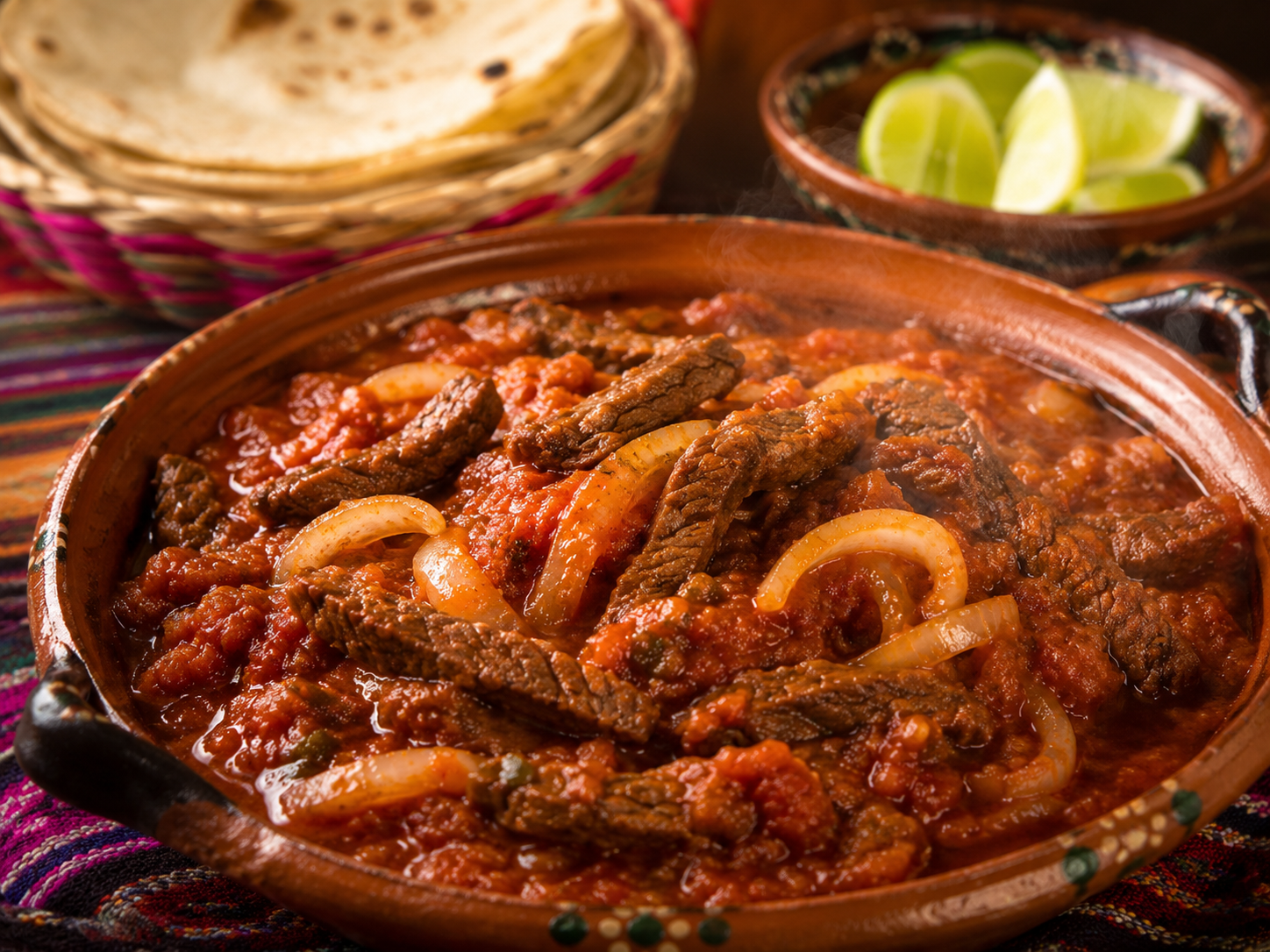
What is Bistec en Salsa made of? An authentic bistec en salsa recipe consists of thinly sliced beef steak (like sirloin or round steak) seared quickly at high heat, then slowly simmered in a warm, blended salsa made from boiled tomatoes, onions, garlic, and serrano or jalapeño peppers. The slow simmer breaks down the beef fibers, resulting in melt-in-your-mouth texture.
Nothing speaks to the heart of traditional Mexican home cooking like Bistec en Salsa (Steak in Sauce). It is a staple across Mexican households, cherished for its simplicity and deeply comforting flavor. By utilizing thin cuts of beef and simmering them directly within a freshly prepared, warm tomato salsa, the meat absorbs incredible herbal and spicy notes while retaining its juicy tenderness.
The Bold, Smoky Technique That Separates Good Bistec from Great
Traditional Mexican cooking relies heavily on letting meats simmer gently within the salsa to absorb depth and richness.
- Acid Tenderization: The natural acidity of boiled Roma tomatoes acts as a gentle tenderizer for thinner, lean cuts of beef.
- Layered Heat: Serrano peppers offer a clean, sharp bite, but can easily be adjusted or swapped for milder jalapeños to suit your preference.
- Rich Pan Sauce: Searing the beef strips first leaves behind browned caramelized bits (fond) that enrich the salsa as it simmers.
Nutrition Facts — Bistec en Salsa
| Nutrient | Amount |
|---|---|
| Calories | 320 kcal |
| Protein | 36g |
| Fat | 12g |
| Carbohydrates | 10g |
| Fiber | 2g |
Ingredients for This Bistec en Salsa Recipe
- Beef Steak 600g (Sirloin or Milanesa): Thinly sliced beef milanesa, sirloin, or flank steak works beautifully. Always slice across the grain for maximum tenderness.
- Roma Tomatoes (4 large): Choose fully ripe, red tomatoes. They contain the natural sweetness needed to balance the heat of the chiles.
- Serrano Chiles (2): Adds a bright, clean heat. If you prefer a milder sauce, deseed the peppers or substitute with a single jalapeño.
- Garlic (2 cloves) & White Onion (1 whole): These fresh aromatics are non-negotiable for building an authentic salsa base.
- Beef Broth (1/2 cup): Adds body to the salsa sauce and enhances the savory depth.
- Ground Cumin (1 tsp): The signature spice that gives this dish its unmistakably Mexican flavor profile.
Authentic Bistec en Salsa Recipe: Tender Mexican Steak
- Beef Steak 600g (Sirloin or Milanesa): Thinly sliced beef milanesa, sirloin, or flank steak works beautifully. Always slice across the grain for maximum tenderness.
- Roma Tomatoes (4 large): Choose fully ripe, red tomatoes. They contain the natural sweetness needed to balance the heat of the chiles.
- Serrano Chiles (2): Adds a bright, clean heat. If you prefer a milder sauce, deseed the peppers or substitute with a single jalapeño.
- Garlic (2 cloves) & White Onion (1 whole): These fresh aromatics are non-negotiable for building an authentic salsa base.
- Beef Broth (1/2 cup): Adds body to the salsa sauce and enhances the savory depth.
- Ground Cumin (1 tsp): The signature spice that gives this dish its unmistakably Mexican flavor profile.
- Place the whole tomatoes and serrano peppers in a pot of water. Bring to a boil and cook for 5 to 7 minutes until the tomato skins begin to split. Transfer the boiled tomatoes, serranos, half of the chopped onion, garlic cloves, and a small splash of the cooking water into a blender. Blend until smooth.
- Heat a tablespoon of oil in a deep skillet or a traditional clay pot over high heat. Season your thin beef strips generously with salt, pepper, and ground cumin. Sear the beef quickly in batches for 2 minutes until nicely browned. Transfer to a clean plate and keep warm.
- Lower the heat to medium. In the same skillet, add the sliced white onion rings. Sauté for 3 minutes, scraping up all the golden beef drippings from the bottom of the pan as they soften.
- Pour the blended tomato-chile salsa and beef broth into the skillet. Bring the mixture to a gentle boil, then reduce the heat to low. Slide the seared beef strips along with their resting juices back into the sauce.
- Cover the skillet and let everything simmer for 15 to 20 minutes. This allows the beef to tenderize and the sauce to thicken into a rich, savory glaze. Garnish with fresh coriander leaves and serve alongside warm corn tortillas and black beans.
How to Make Bistec en Salsa (The Full Method)
- Prepare the Salsa Base: Place the whole tomatoes and serrano peppers in a pot of water. Bring to a boil and cook for 5 to 7 minutes until the tomato skins begin to split. Transfer the boiled tomatoes, serranos, half of the chopped onion, garlic cloves, and a small splash of the cooking water into a blender. Blend until smooth.
- Sear the Steak Strips: Heat a tablespoon of oil in a deep skillet or a traditional clay pot over high heat. Season your thin beef strips generously with salt, pepper, and ground cumin. Sear the beef quickly in batches for 2 minutes until nicely browned. Transfer to a clean plate and keep warm.
- Sauté the Onion Rings: Lower the heat to medium. In the same skillet, add the sliced white onion rings. Sauté for 3 minutes, scraping up all the golden beef drippings from the bottom of the pan as they soften.
- Simmer and Reduce: Pour the blended tomato-chile salsa and beef broth into the skillet. Bring the mixture to a gentle boil, then reduce the heat to low. Slide the seared beef strips along with their resting juices back into the sauce.
- Rest and Serve: Cover the skillet and let everything simmer for 15 to 20 minutes. This allows the beef to tenderize and the sauce to thicken into a rich, savory glaze. Garnish with fresh coriander leaves and serve alongside warm corn tortillas and black beans.
How to Store This Bistec en Salsa Recipe
This bistec en salsa recipe stores exceptionally well — the flavor actually deepens overnight as the beef continues to absorb the tomato salsa. Store leftovers in an airtight container in the refrigerator for up to 4 days. Reheat gently in a skillet over medium-low heat, adding a splash of beef broth if the sauce has thickened too much. This dish also freezes beautifully for up to 2 months. Thaw overnight in the refrigerator before reheating. Serve over freshly made rice or with warm corn tortillas for the best experience.
Frequently Asked Questions
What is the best cut of meat for a bistec en salsa recipe?
Thinly sliced sirloin, flank steak, or top round (milanesa cut) are the best choices. They cook incredibly fast and soften beautifully during the quick simmer in the salsa.
How can I make my bistec en salsa less spicy?
You can easily control the heat by removing the seeds and white veins from the serrano peppers before blending, or by substituting them with milder jalapeños or even bell peppers.
Can I add potatoes to this bistec en salsa recipe?
Yes! Adding thinly sliced potatoes (bistec con papas) is a highly popular variation. Add them to the skillet along with the salsa so they cook through in the liquid and absorb all the savory flavor.
More Recipes You Will Love
Craving more hearty beef dinners? Try our classic The Best Homemade Meatloaf next! For USDA guidelines on safe beef preparation and handling, visit USDA FSIS – Beef Food Safety. Explore more satisfying main courses in our Main Dishes & Sides Category.
This post may contain affiliate links. If you make a purchase through these links, we may earn a small commission at no extra cost to you. See our Affiliate Disclosure for details.
📖 Watch our quick story: Authentic Bistec en Salsa – Web Story
Why This Mexican Steak Recipe Changed How I Think About Braising
The first time I made Bistec en Salsa properly — not an approximation, but the real technique — was in a small apartment kitchen with a skillet that was too thin and a patience that was too short. The steak emerged tough and the tomato sauce tasted flat. I knew what I had done wrong: I’d rushed the sear, skipped the proper deglazing, and used canned tomatoes without charring them first. Over the next month, I made this dish seven more times, correcting one variable per session. What I discovered is that Bistec en Salsa is not a complicated recipe — it’s a precise one. The margin between good and extraordinary is four specific moments in the cooking process, each of which takes less than two additional minutes.
The charred tomato is non-negotiable. I know that sounds extreme for a weeknight recipe, but dry-charring halved Roma tomatoes in a cast iron skillet for 8 minutes — no oil, just heat — concentrates their sugar, deepens their acidity, and adds a mild smokiness that no amount of smoked paprika or chipotle can replicate. I’ve tested this side by side more times than I want to admit. The charred version tastes like it slow-cooked for four hours. The uncharred version tastes like Tuesday-night pasta sauce.
I serve this over white rice with a generous squeeze of lime and fresh cilantro. I’ve also used it as a taco filling, as a topping for baked potatoes, and once, memorably, spooned cold over scrambled eggs the morning after. It reheats perfectly and actually improves by day two — the steak absorbs more of the sauce overnight, and the tomato deepens further in the refrigerator.
Common Mistakes to Avoid with Bistec en Salsa
- Skipping the tomato charring step: This is the single biggest impact variable in the entire recipe. Dry-charring concentrates sugars, deepens acidity, and adds the mild smokiness that makes the sauce taste slow-cooked. If you skip it, the sauce will taste flat regardless of how long you simmer it afterward.
- Using thick-cut steak: Bistec en Salsa is a thin-cut preparation. Beef sliced to about 1cm thickness cooks through in the sauce in approximately 12 minutes, becoming tender without losing its texture. Thicker cuts require longer cooking and can become dry before the sauce penetrates properly.
- High heat during the sauce simmer: Once the beef is in the sauce, medium-low is the correct temperature. A vigorous boil toughens the meat fibers through rapid moisture loss. A gentle simmer allows the collagen to soften without squeezing out the juice.
- Not resting the beef before serving: Even for a saucy braise, a five-minute rest off the heat before serving allows the fibers to reabsorb some of the surrounding liquid. The difference is subtle but noticeable — the meat eats more juicy and less fibrous.
Serving Suggestions and Variations
Classic serving: White rice with the sauce spooned generously over the top. The rice absorbs the tomato-based sauce and becomes as much a part of the dish as the beef itself.
As taco filling: Shred the cooked beef coarsely with two forks, spoon into warm corn tortillas, and top with fresh cilantro, diced white onion, and a squeeze of lime. This is arguably better than the original preparation.
Variation with jalapeños: Add two seeded jalapeños to the tomato charring step for a version that has background heat throughout the sauce rather than concentrated spice. Remove the seeds for mild heat, leave them in for significant heat.
Make it ahead: Bistec en Salsa reheats exceptionally well. Make it through step 4, refrigerate overnight, and reheat over medium-low heat with a splash of water or chicken broth. The flavors deepen overnight and the reheated version is consistently better than the freshly made dish — a rare quality in beef recipes.
Recipe Info & Nutrition
Per serving — estimated values