
Easy Chinese Beef and Tomato Stir Fry Recipe: Restaurant-Quality in 20 Minutes
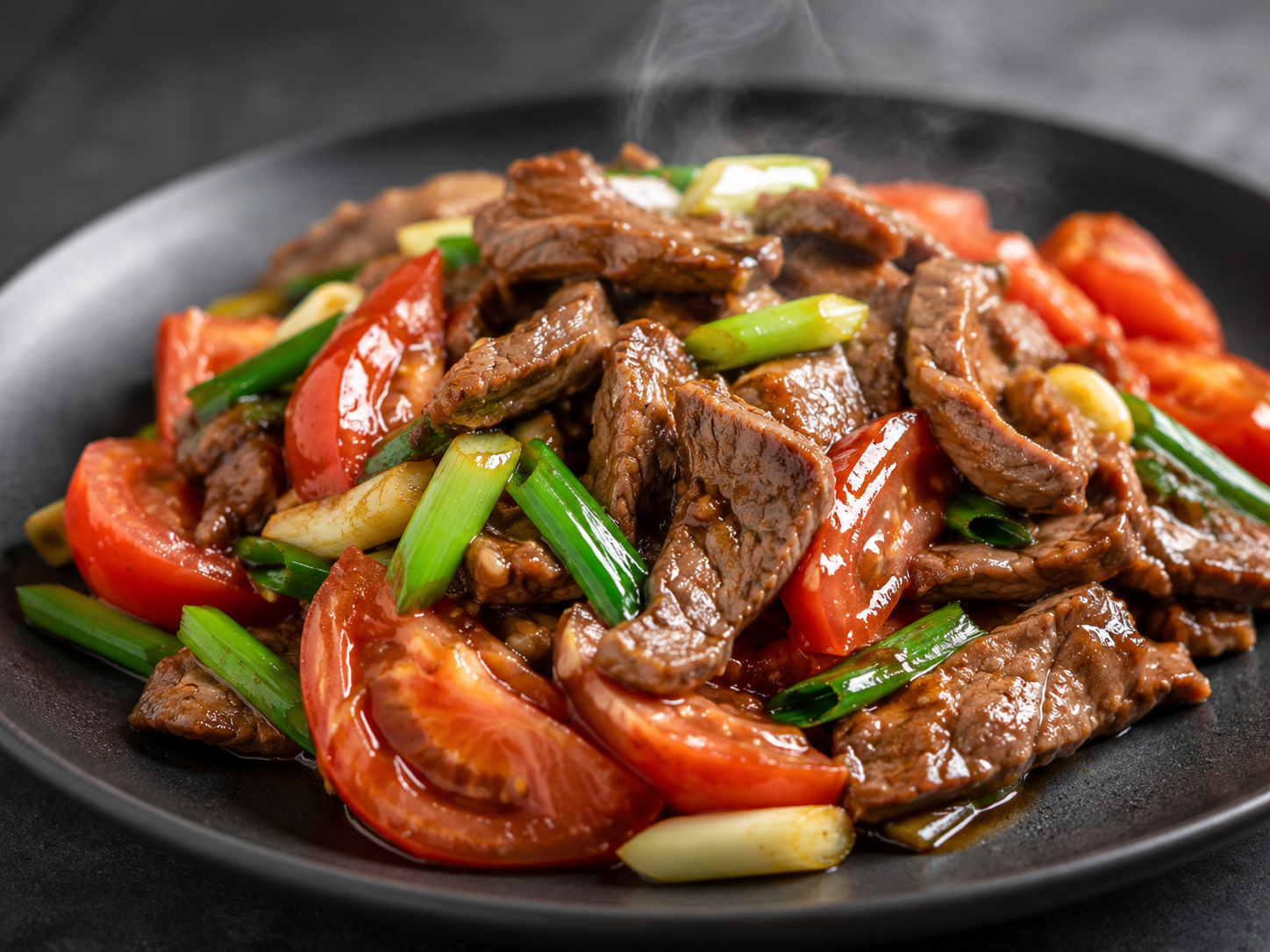
Between back-to-back client calls, deadline sprints, and the kind of days where your lunch “break” is eating a protein bar while reviewing a slide deck, the last thing you need is a recipe that demands your full attention for an hour. This Chinese beef and tomato stir fry is what I default to when the calendar is brutal and the fridge contains nothing but basic ingredients. Twenty minutes. One wok. Twenty-eight grams of protein per serving. The technique is centuries old, the result is genuinely restaurant-caliber, and once you understand the underlying logic — it becomes completely repeatable without thinking. That is exactly the standard I hold my weeknight cooking to: a hard SLA of under 20 minutes, with zero compromise on quality.
Rosalina’s Kitchen Note: I tested three velveting methods side by side: baking soda only, cornstarch only, and the traditional combo of both with egg white. The baking soda + cornstarch + egg white method won easily — the beef came out with a silky texture that’s genuinely restaurant-quality. The baking soda alone left a faint metallic aftertaste. Worth the extra step.
The secret to achieving exceptionally tender, juicy beef in a beef tomato stir fry is a traditional Chinese technique called velveting. By marinating thinly sliced beef in cornstarch, soy sauce, and a touch of baking soda for 15 minutes, you tenderize the meat fibers and create a protective barrier that seals in juices during high-heat frying. Step into any traditional Cantonese home kitchen and you will likely find a steaming plate of this classic beef tomato stir fry — the ultimate Chinese comfort food. For more umami-rich Asian comfort bowls, try our Miso Caramelized Onion Ramen Recipe.
The Food Science Behind This Stir Fry
Velveting Is Applied Biochemistry, Not Kitchen Magic
When baking soda contacts the surface of raw beef, it raises the local pH from roughly 5.5 to above 7.0 — creating an alkaline environment that chemically inhibits myosin cross-linking. In plain terms: the muscle proteins are prevented from contracting and squeezing out moisture when they hit high heat. The result is a beef strip that stays genuinely tender even at the 280–300°C (535–570°F) temperatures a properly preheated wok reaches. This is not a trick unique to home cooking — it is the same principle used in commercial Chinese restaurant kitchens worldwide to produce silky, yielding beef from budget-friendly cuts like flank steak.
Why Pan Temperature Is Non-Negotiable
The wok’s retained heat drives the Maillard reaction — the browning process that generates over 300 aromatic flavor compounds on the surface of the beef. A thin domestic pan bleeds heat the moment cold beef hits the surface, dropping below the Maillard threshold (~154°C / 310°F). Your beef steams rather than sears, producing a grey, rubbery texture that no sauce can rescue. Carbon steel or cast iron holds its thermal mass. Preheat it until you see the first wisps of smoke before anything touches the surface — that is your quality indicator.
Tomatoes as a Natural Umami Amplifier
Vine tomatoes contain significant concentrations of free glutamic acid — the same compound responsible for the deep savory quality in aged parmesan, miso, and soy sauce. When tomato wedges break down under high heat and their glutamates combine with the soy sauce and oyster sauce in this recipe, the result is compound umami amplification: the sauce tastes far more complex than a five-ingredient preparation has any right to be. This is why traditional Cantonese cooks have used this combination for generations — long before food science gave it a name.
Ingredients for This Beef Tomato Stir Fry
- Beef Flank or Sirloin: Slice thinly against the grain to shorten the muscle fibers for maximum tenderness.
- Baking Soda (The Velvet Secret): Just 1/4 teaspoon raises the pH of the meat surface, preventing proteins from bonding tightly and squeezing out water when cooked.
- Roma or Vine Tomatoes: Use firm, ripe tomatoes — juicy but structurally sound enough to hold their shape slightly in the hot wok.
- Oyster Sauce: Adds a deep, savory, sweet glaze. If seafood-free, use premium vegetarian mushroom-based stir-fry sauce.
How to Make Beef Tomato Stir Fry — Step by Step
Step 1: Velvet the Beef
In a medium bowl, combine the thinly sliced beef strips with soy sauce, cornstarch, sesame oil, and baking soda. Mix thoroughly with your hands until the liquid is fully absorbed. Let the beef marinate at room temperature for 15 minutes.
Step 2: Sear the Beef in a Hot Wok
Heat one tablespoon of high-smoke-point oil (peanut or vegetable oil) in a wok over high heat until slightly smoking. Add the velveted beef in a single layer. Sear undisturbed for 1 minute to develop a golden crust, then toss quickly for 30 seconds. Immediately transfer to a plate.
Step 3: Cook the Aromatics and Tomatoes
Lower heat to medium. Add another splash of oil to the wok. Sauté minced garlic and grated ginger for 30 seconds until highly fragrant. Toss in tomato wedges and green onion whites. Sauté for 2–3 minutes, pressing gently on a few tomato wedges to release their natural juices.
Step 4: Build the Savory Tomato Sauce
Pour in the oyster sauce, soy sauce, and sugar. Stir well as the tomato juices bubble and emulsify with the sauces, creating a beautiful, glossy red gravy that coats the back of a spoon.
Step 5: Combine and Serve
Return the seared beef along with any resting juices back into the wok. Toss everything together vigorously over high heat for 30 seconds until the sauce reduces and coats every strip of beef. Fold in the remaining green onion greens, remove from heat, and serve immediately over steaming white jasmine rice.
Nutrition Facts (Per Serving)
| Nutrient | Amount |
|---|---|
| Calories | 340 kcal |
| Protein | 28 g |
| Fat | 14 g |
| Carbohydrates | 12 g |
| Fiber | 2 g |
Storage, Meal Prep & Professional Reheating
Refrigerator Storage
Transfer leftovers to an airtight glass container within 2 hours of cooking — standard food safety protocol per USDA FSIS guidelines. The beef and tomato gravy holds well in the refrigerator for up to 3 days. Worth noting: the flavors often intensify overnight as the sauce continues to permeate the beef fibers. Day-two leftovers from this dish are frequently better than the original.
Professional Reheating Protocol
Skip the microwave if possible. Radiant microwave heat applies unevenly and causes the velveted beef proteins to retighten, undoing the texture work of the marinade. The correct method: add 2 tablespoons of water to a skillet or wok over medium-high heat, add the leftovers, and toss actively for 90 seconds. The steam reconstitutes the sauce to its original glossy consistency without overcooking the beef. If you are reheating at the office, a microwave at 60% power with a small splash of water in the container — followed by a 45-second covered rest before eating — produces a respectable result.
Meal Prep Strategy for Busy Schedules
This recipe is an excellent candidate for weekly batch cooking. Double the quantities (800g beef, 6 tomatoes) on Sunday evening and divide into individual airtight containers alongside 150g of pre-cooked jasmine rice. Each container delivers approximately 28g of protein at 340 calories — a complete, macro-balanced lunch you can pull from the refrigerator without thinking on any weekday morning. Total active prep time: 20 minutes once, for five to six ready-to-eat meals.
Freezing
This dish does not freeze well. The high water content in the tomatoes causes cellular breakdown upon freezing, resulting in a watery, separated sauce after thawing. If you want to extend your prep window, freeze only the velveted raw beef before cooking — portion it into individual 130g servings and freeze flat. Thaw overnight in the refrigerator. From frozen component to finished dish: under 10 minutes.
Frequently Asked Questions
What does baking soda do to beef in a stir fry?
Baking soda chemically tenderizes beef by raising its surface pH. This makes it difficult for the protein chains to tighten and contract during high-heat cooking, locking in moisture and guaranteeing a velvety texture even with budget-friendly cuts.
My tomatoes turned watery — what went wrong?
This usually happens if the heat was too low or the tomatoes were overcooked. Keep the wok hot and stir-fry the tomatoes quickly so they soften and release juices while maintaining their wedge shape and natural acidity.
Can I make this beef tomato stir fry gluten-free?
Yes! Use tamari or certified gluten-free soy sauce instead of standard soy sauce, and ensure your oyster sauce is also certified gluten-free or use a mushroom-based vegetarian alternative.
Further reading: velveting.
Explore more quick Asian-inspired dinners: our One-Pan Caprese Chicken, the viral Miso Caramelized Onion Ramen, or classic Shrimp Scampi Pasta.
This post may contain affiliate links. If you make a purchase through these links, we may earn a small commission at no extra cost to you. See our Affiliate Disclosure for details.
Recipe Info & Nutrition
Per serving — estimated values