
Cottage Cheese Pizza Crust Recipe: High-Protein, Crispy & 2-Ingredient
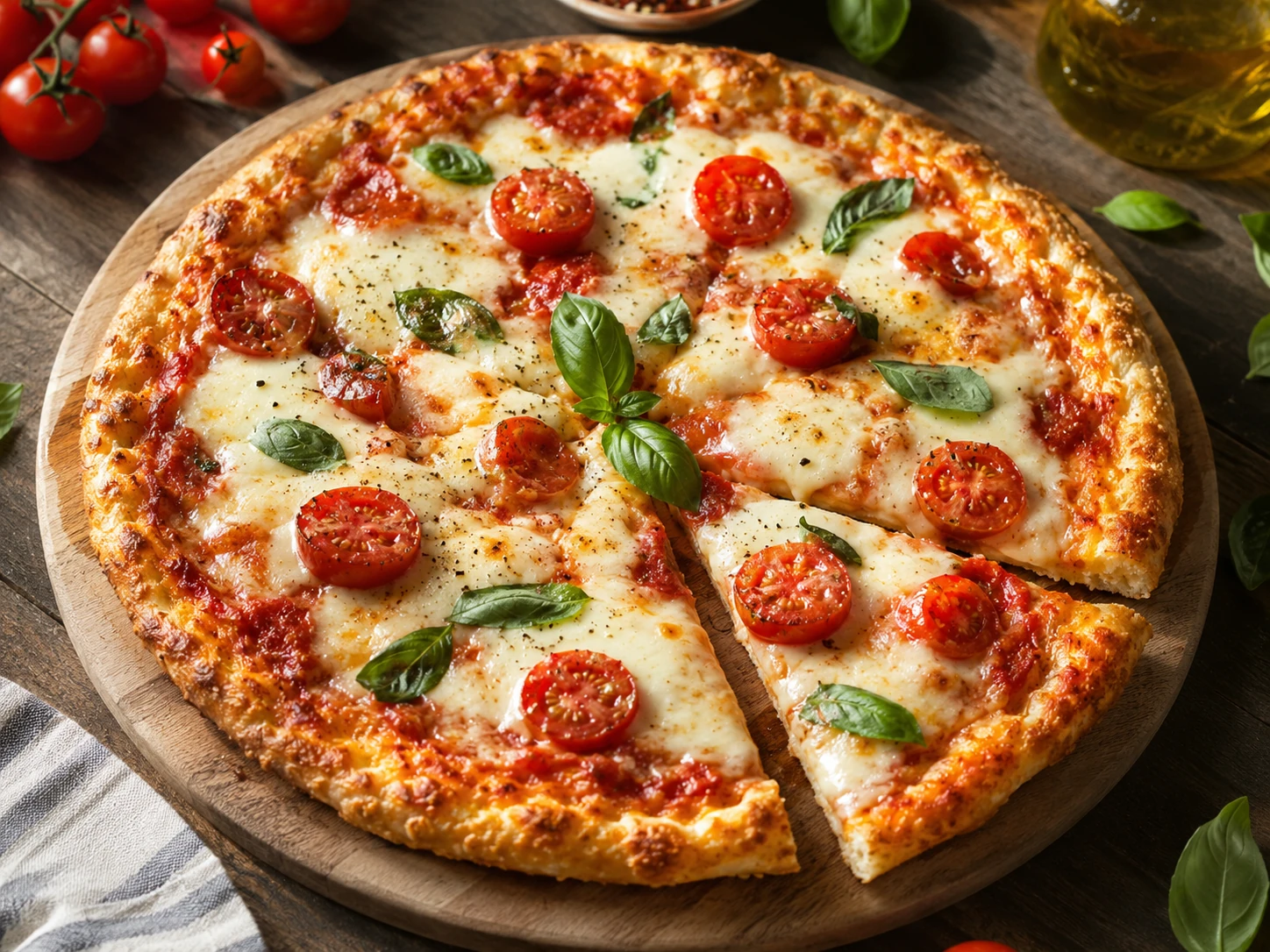
This cottage cheese pizza crust recipe sounded ridiculous to me the first time I heard it. I tried it anyway — and made every possible mistake in one go. I didn’t drain the cottage cheese, didn’t blend it smooth, and baked it on a cold tray. What came out was a pale, soggy disc that flopped in half when I picked it up. I almost gave up.
Then I watched a video that showed the actual technique: blend until completely smooth, drain any excess liquid, bake on a preheated tray or pizza stone, and pre-bake before adding toppings. That version came out with a golden, firm base that held its toppings, had actual edges that crisped up like real crust, and — here’s the part that surprised me most — tasted genuinely good. Not “good for a diet” good. Just good.
The cottage cheese pizza crust trend is booming in 2026 because it delivers something no other low-carb pizza base does: a crust that’s actually satisfying. It has crispy edges, a firm center that doesn’t fall apart, and a mild, slightly tangy flavor that works with any topping combination. One crust packs around 25 grams of protein — which means this is a pizza you can eat and feel genuinely full for hours afterward.
Why This Cottage Cheese Pizza Crust Recipe Works
- Blending is non-negotiable: Lumpy cottage cheese = lumpy crust that cracks and falls apart. Blend it completely smooth first and the batter becomes uniform, sets evenly, and crisps beautifully at the edges.
- Preheat the tray: A cold baking tray gives you a pale, soft bottom. A preheated tray starts cooking the crust immediately on contact — that’s what creates the crispiness.
- Pre-bake before toppings: This is the step most recipes skip. Pre-baking for 20 minutes lets the crust firm up and dry out slightly before you add sauce and cheese, preventing sogginess.
- Only 2 base ingredients: Full-fat cottage cheese and eggs. Everything else is optional — herbs, garlic powder, parmesan — but the base is genuinely just two things from your fridge.
Ingredients for This Cottage Cheese Pizza Crust Recipe
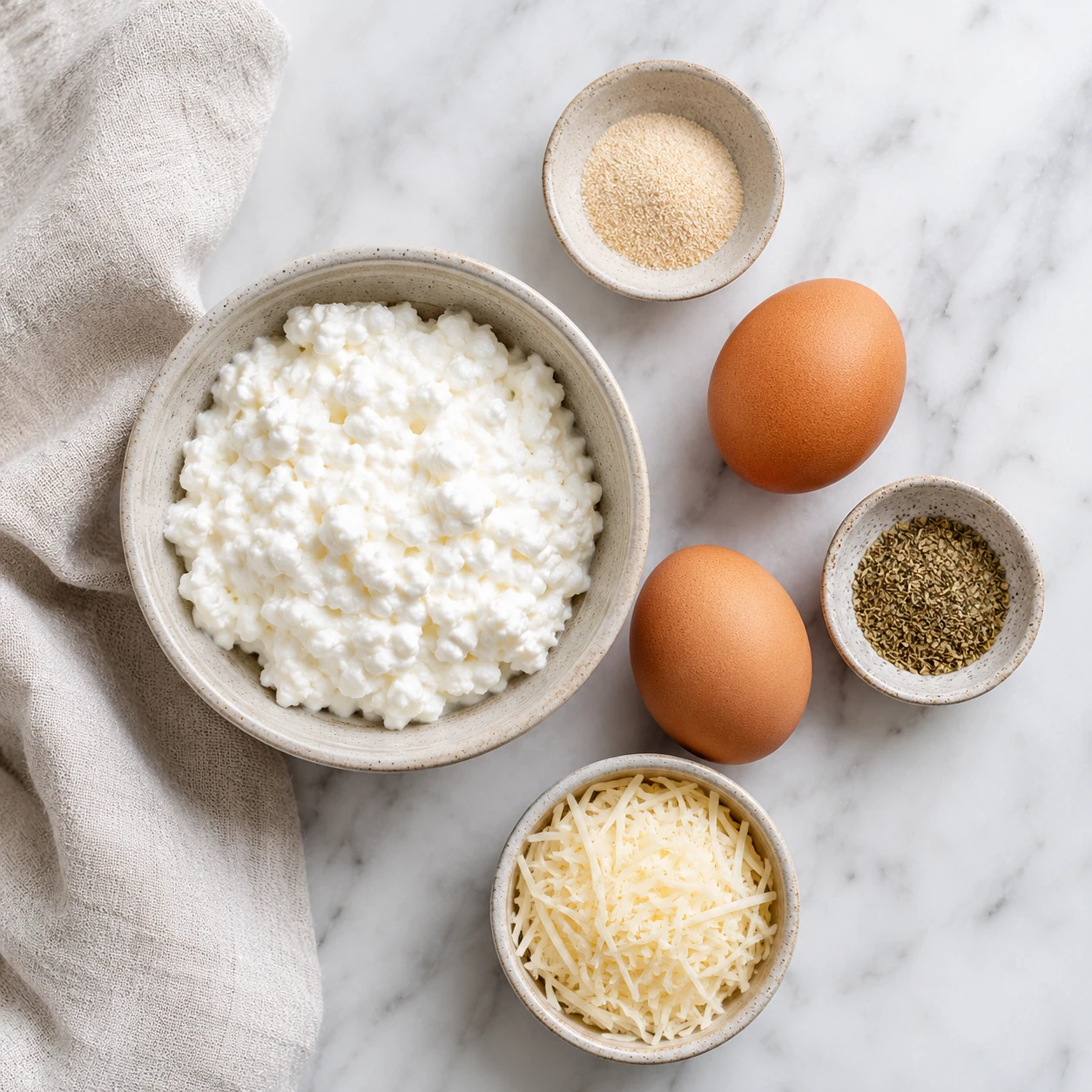
- 250g full-fat cottage cheese (well-drained — see tip below)
- 2 large eggs
- ½ teaspoon garlic powder
- ½ teaspoon dried oregano
- ¼ teaspoon salt
- 2 tablespoons grated parmesan (optional but adds flavor)
- For topping: 3 tablespoons tomato sauce, mozzarella, your choice of vegetables or chicken
Low-fat cottage cheese works but produces a wetter batter — drain it through a cheesecloth or fine sieve for 10 minutes to remove excess liquid before blending.
How to Make Cottage Cheese Pizza Crust
This cottage cheese pizza crust recipe is naturally gluten-free as long as you use certified GF oat flour.
The cottage cheese pizza crust recipe works with any standard pizza toppings.
Additionally, making this cottage cheese pizza crust recipe ahead saves significant time on busy nights.
- Preheat oven to 200°C (400°F) and place a baking tray or pizza stone inside to preheat — this is the secret to a crispy bottom.
- Drain and blend: If your cottage cheese is watery, drain it briefly. Then blend with eggs, garlic powder, oregano, salt, and parmesan until completely smooth — no lumps. The batter should look like thick pancake batter.
- Shape on parchment: Pour the batter onto a parchment-lined surface and spread into a circle about 25–28cm in diameter. The edges should be slightly thicker than the center.
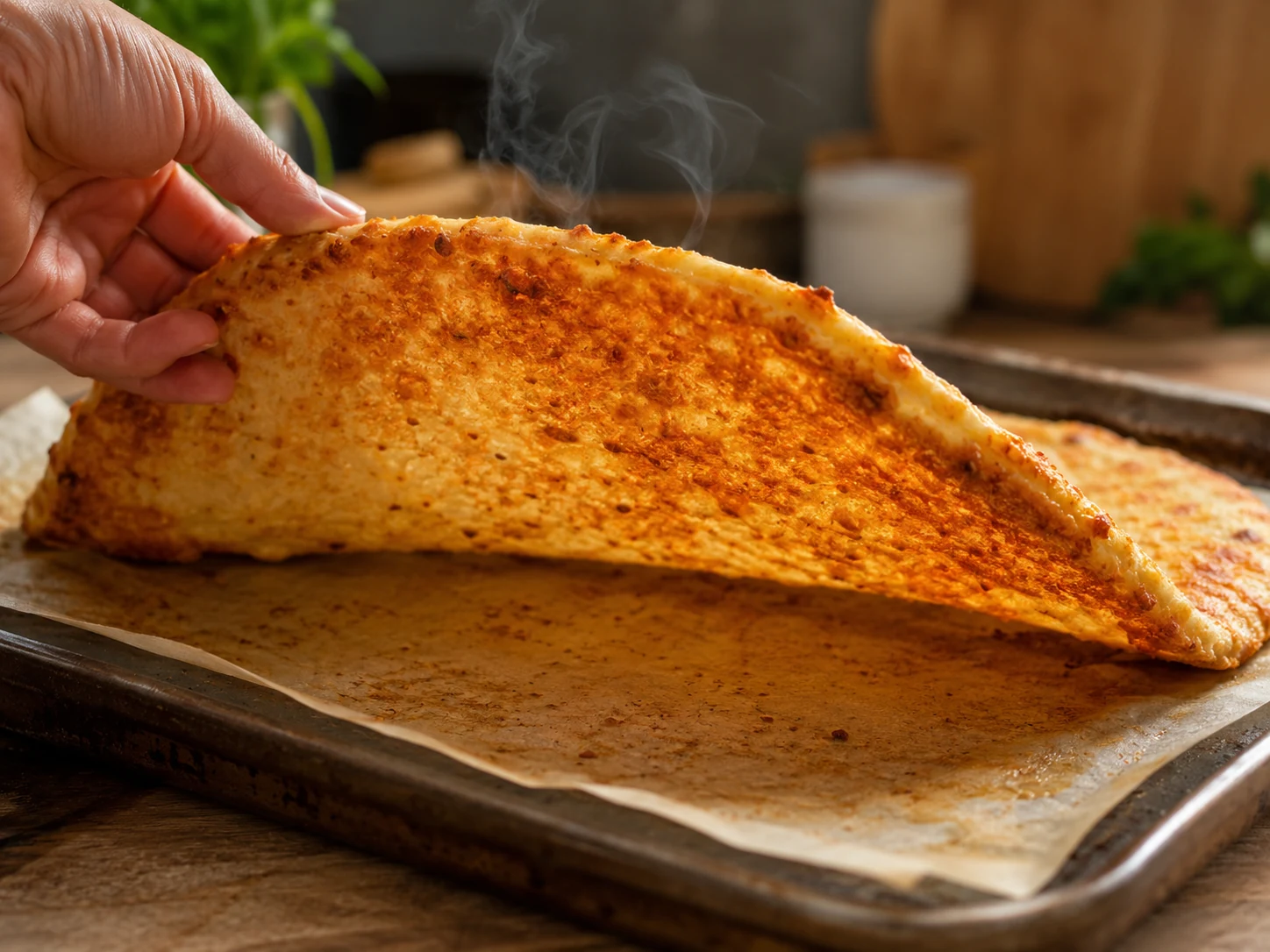
- Pre-bake the crust: Carefully slide the parchment onto the preheated tray. Bake for 20–22 minutes until the edges are golden and the surface looks dry and set — it should lift easily off the parchment.
- Add toppings and bake again: Add your tomato sauce, cheese, and toppings. Return to the oven for 8–10 minutes until the cheese is melted and bubbling. Slice and serve immediately.
Pro Tips & Variations
- Crispier crust: After pre-baking, flip the crust onto the hot tray (parchment on top) and bake upside down for 3 more minutes before adding toppings. Both sides get direct heat contact and the result is noticeably crispier.
- Make it gluten-free: This crust is already naturally gluten-free — just check your toppings for hidden gluten in sauces or processed meats.
- Mini pizzas: Pour the batter into small circles for individual serving portions — they cook faster (15 minutes pre-bake) and are great for meal prep.
- Herb upgrade: Add 1 teaspoon of dried basil or Italian seasoning to the batter — the herbs infuse into the crust as it bakes and make a noticeable difference in flavor.
How to Store Cottage Cheese Pizza Crust
Pre-baked (un-topped) crust can be stored in the refrigerator for up to 3 days wrapped in parchment. When ready to use, add toppings and bake for 10–12 minutes at 200°C from cold. Fully assembled pizza leftovers keep for 2 days — reheat in the oven (not microwave) for 6–8 minutes to restore crispiness. According to the Harvard T.H. Chan School of Public Health, high-protein meals like this support satiety and muscle maintenance — making this pizza genuinely one of the most nutritionally complete ways to enjoy a slice. For more high-protein meal ideas browse our main dishes.
Why Cottage Cheese Makes the Best High-Protein Pizza Crust
Traditional pizza dough is primarily refined carbohydrates with minimal protein. However, this cottage cheese pizza crust flips that equation entirely — the curds bind together when baked, creating a crust that is crispy on the outside, slightly chewy inside, and packed with protein from the dairy.
Furthermore, cottage cheese is one of the most protein-efficient foods available. According to the USDA FoodData Central, one cup of cottage cheese provides approximately 25g of protein with only 206 calories — meaning this low carb pizza crust is genuinely nutritious, not just a trend.
Getting a Crispy Cottage Cheese Pizza Crust Every Time
The biggest challenge with this high protein pizza crust is moisture. Cottage cheese contains significant water content, which can make the crust soggy if not handled correctly. Here is how to avoid that:
- Drain first: Place cottage cheese in a fine-mesh strainer for 10 minutes before using. This removes excess liquid and concentrates the protein.
- High heat is essential: Bake at 220°C / 425°F. Additionally, preheat your baking sheet or pizza stone — placing the crust on a hot surface starts crisping immediately.
- Pre-bake before topping: Bake the cottage cheese pizza crust for 15 minutes before adding toppings. Consequently, the base sets fully and will not go soggy under sauce and cheese.
- Thin and even: Spread the mixture to no more than 5mm thickness. Thicker areas will not crisp properly.
Topping Ideas for Your Cottage Cheese Pizza Crust
The neutral, slightly tangy flavor of this cottage cheese pizza crust makes it incredibly versatile. However, some toppings work better than others on this thinner, high-protein base:
- Classic margherita: Tomato sauce, fresh mozzarella, and basil — simple toppings let the crust texture shine.
- BBQ chicken: Shredded chicken, BBQ sauce, and red onion — the crust holds up well to heavier toppings. Additionally, this combination adds even more protein to an already high-protein pizza.
- Vegetable: Roasted zucchini, cherry tomatoes, and arugula added after baking — the lightness of the vegetables complements the dense, protein-rich crust.
- White pizza: Ricotta, garlic, and spinach — the creamy base pairs beautifully with the tangy notes of the cottage cheese pizza crust.
Furthermore, this low carb pizza crust supports a wide range of dietary approaches — it is naturally gluten-free (when using gluten-free flour), keto-adaptable, and fits comfortably into high-protein meal plans. Consequently, it has become a staple recipe for anyone who loves pizza but wants a more nutritious alternative to traditional dough.
Toppings That Transform This Cottage Cheese Pizza Crust
The beauty of this cottage cheese pizza crust recipe is how well it adapts to different toppings. Because the crust itself is mild and slightly savory, it works with virtually any pizza style — classic margherita, white garlic, or loaded vegetables. However, avoid very wet toppings (like fresh tomato slices) directly on the crust, as excess moisture prevents the base from staying crispy. Additionally, pre-cooking watery vegetables like zucchini or mushrooms before adding them removes excess liquid. Therefore, always par-bake the crust for 10 minutes before adding toppings. Furthermore, if you enjoy a crispier bite, brush the edges with a little olive oil before the final bake — it gives a golden, almost bread-like crust that holds toppings beautifully.
This cottage cheese pizza crust recipe has earned its place in my weekly rotation.
Finally, the cottage cheese pizza crust recipe scales easily — double the batch and freeze the extras.
Once you’ve tried this cottage cheese pizza crust recipe, regular pizza crust feels unnecessarily heavy.
Frequently Asked Questions
Does cottage cheese pizza crust taste like regular pizza crust?
Not exactly — it’s slightly denser and has a mild, tangy flavor from the cottage cheese. But it’s firm, holds toppings well, and the edges get genuinely crispy. Most people who try it are surprised by how satisfying it is. It’s a different experience from wheat crust, but a genuinely good one.
Why is my cottage cheese pizza crust soggy?
Three common causes: undrained cottage cheese (too much moisture), skipping the preheat step on the tray, or adding toppings before pre-baking. Fix all three and the sogginess problem disappears completely.
How much protein is in a cottage cheese pizza crust?
The base (250g cottage cheese + 2 eggs) contains approximately 25–28 grams of protein, depending on your cottage cheese brand. Add cheese and chicken toppings and you can easily reach 35–40g protein per pizza — genuinely substantial for a single meal.
Tried this? I want to know what toppings you used — drop it in the comments. And for more high-protein ideas that don’t taste like diet food, see our full main dishes collection.
In addition, this cottage cheese pizza crust works well beyond traditional pizza. Use it as a base for breakfast flatbreads topped with eggs, or cut it into strips and bake until extra crispy for a high-protein breadstick alternative. Therefore, keeping a batch of the crust mixture in the fridge means you always have a quick, nutritious base ready to go. For more high-protein meal ideas, explore our main dishes collection.
Try this recipe this week and leave a comment below — I read every single one and love hearing how your variations turn out. Furthermore, if you share it on Instagram, tag us so we can see your creation.